 ATLANTIC
 The method, not the marketing.
There's no proprietary process here, no trademarked finish name. Just materials chosen for a reason, tolerances held by hand, and enough time given to each gun that it comes out right the first time. It's what "built right" means in practice.
Fit over finish.
A polished exterior means nothing if the receiver moves on the rail. Every build starts with fit — upper to lower, barrel to receiver, rail to receiver — before a single cosmetic decision gets made. Finish is the last step, not the first pitch.
If receiver fit is off by half a thousandth, it doesn't ship.
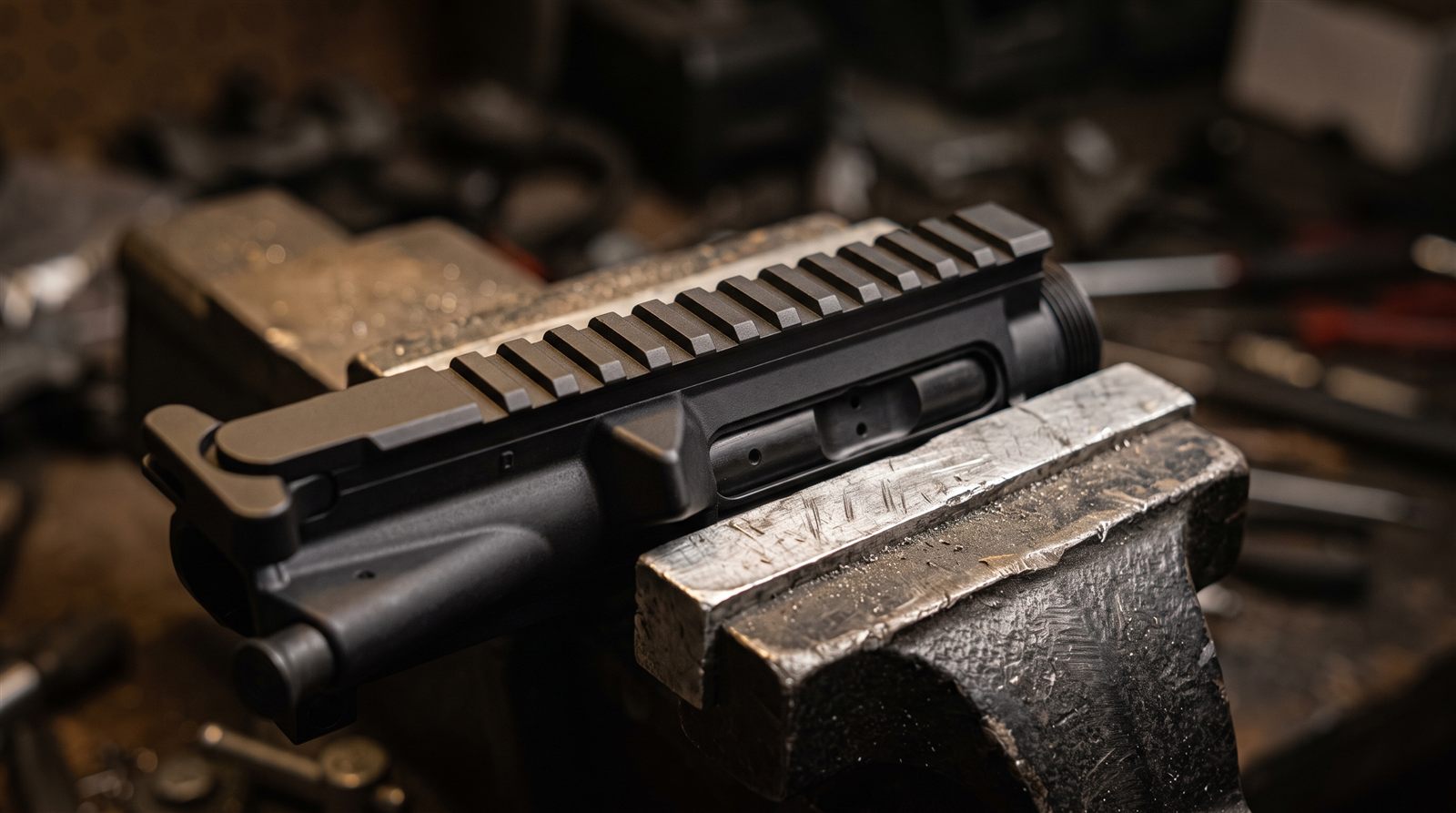
What goes into a build.
Chromoly steel machined from solid billet — used where dimensional stability under heat-treat matters most.
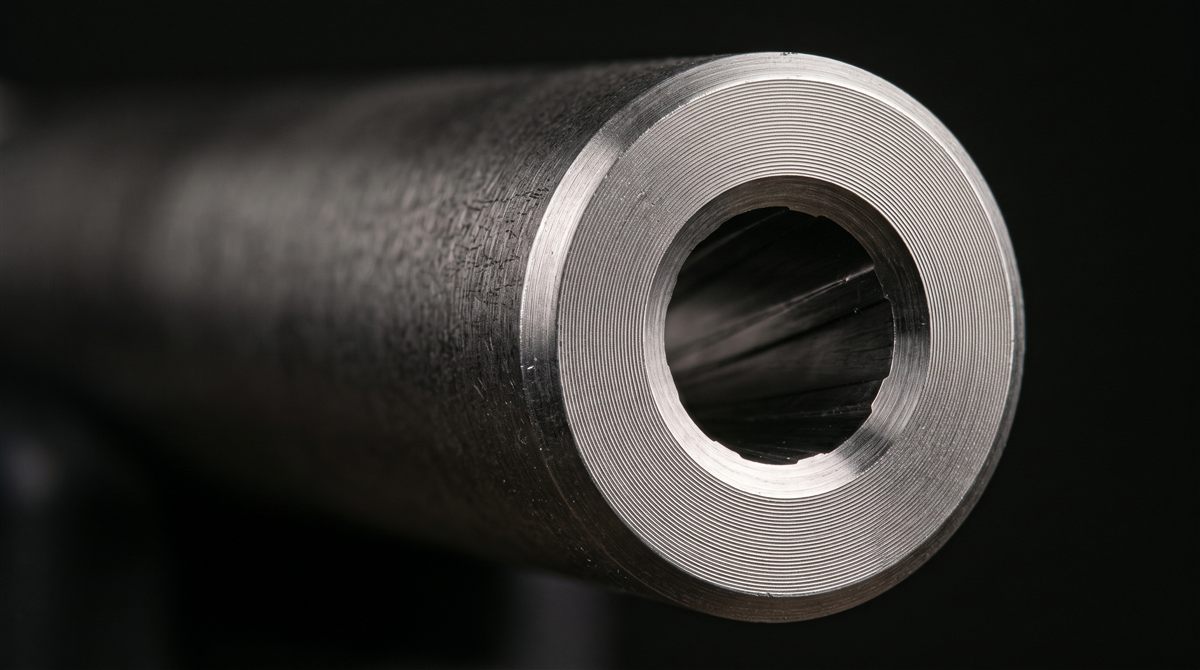
The standard match-barrel steel. Machinability and accuracy over raw corrosion resistance — the reason nearly every precision barrel on the market starts here.
7075-T6 aluminum for AR uppers and lowers, where weight matters and the load path is well understood.
Six stages, one bench.
-
Consultation
We talk platform, caliber, and use before any metal is cut. That shapes the spec sheet, not a sales script.
-
Machining
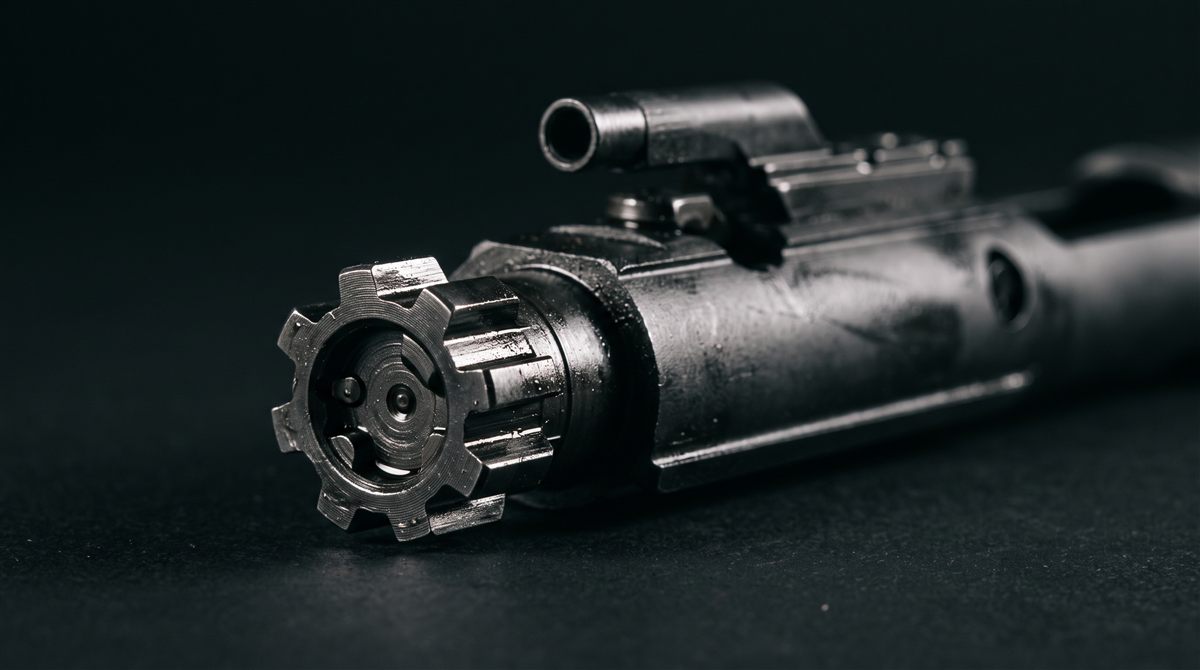
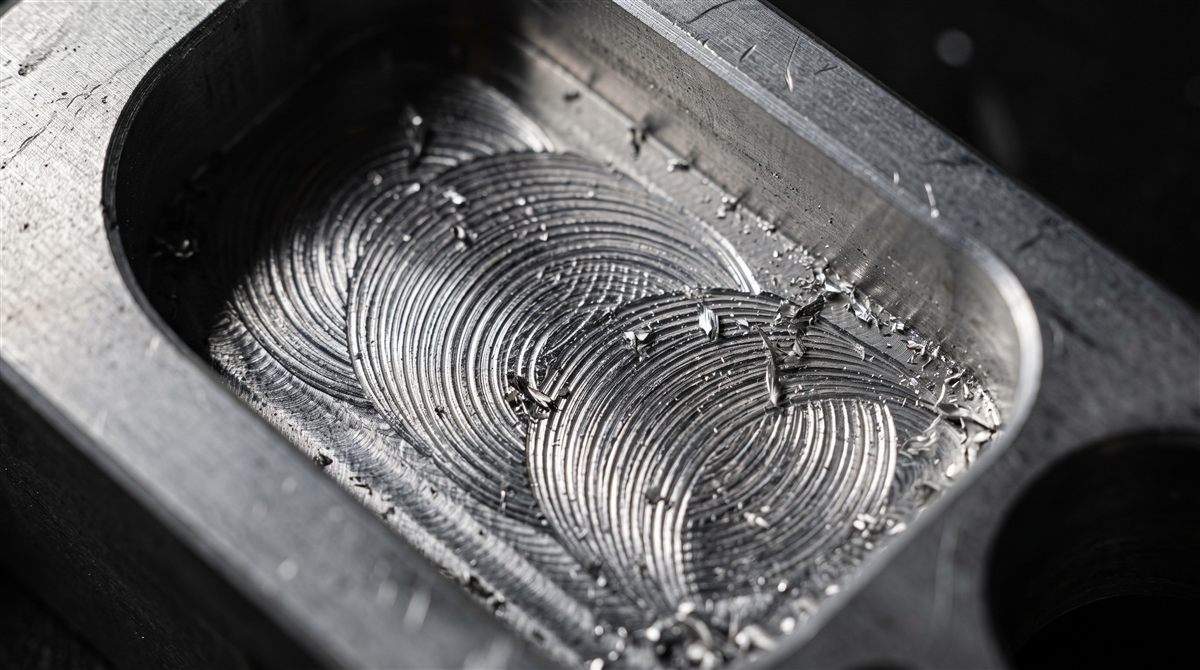
Uppers, lowers, and receivers are roughed from billet stock to near-final dimension, leaving material for hand-fit work downstream.
-
Hand-fit
Upper to lower. Barrel to receiver. Checked until there's zero play at lockup.
-
Trigger work
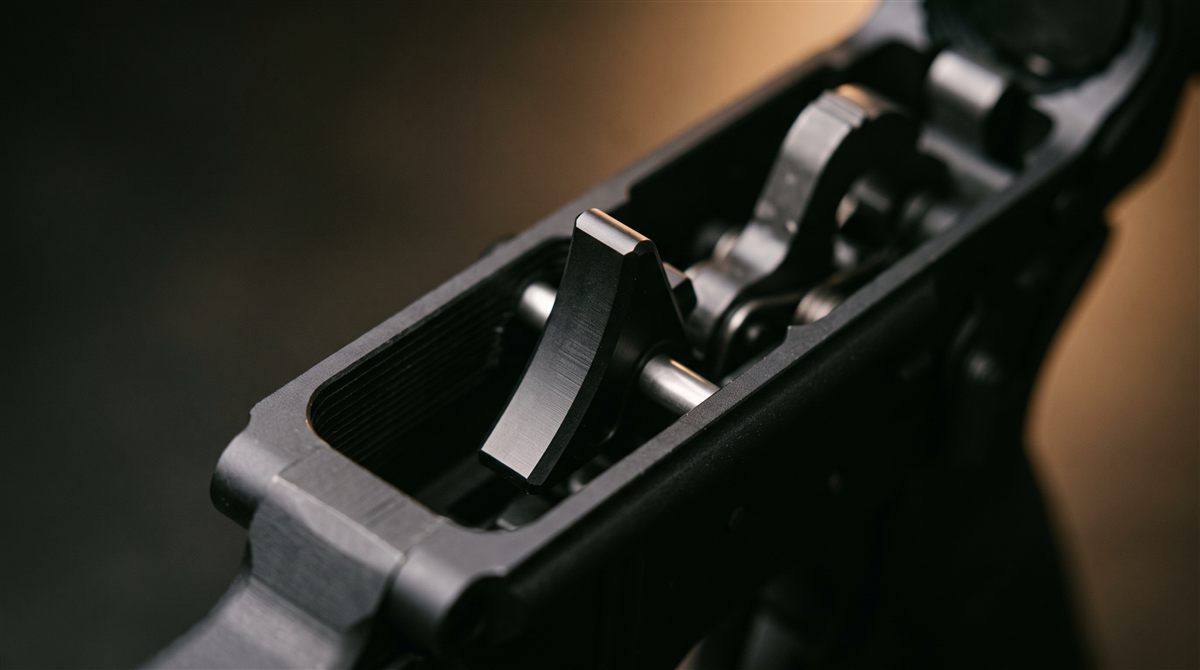
Sear and hammer engagement is cut and polished by hand to the pull weight specified, then verified on a gauge before assembly.
-
Finish
Cerakote or DLC is applied after fit is finalized, never before — finish never masks a fit problem on a gun that leaves this shop.
-
Function test & group
Headspace is checked on every build; every rifle is shot for group. If it doesn't hold, it goes back to the bench.
Close, unretouched.